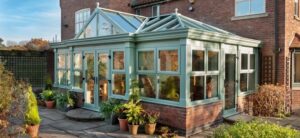
The Challenges and Solutions of a Damaged Conservatory Roof
A conservatory is a treasured addition to many homes, providing an area that mixes the convenience of indoor living with the appeal of the outdoors. However, among the most common issues that conservatory owners face is a damaged roof. Whether it's due to use and tear, severe weather, or poor setup, a damaged conservatory roof can be a considerable source of aggravation and expense. This article will explore the causes of a damaged conservatory roof, the signs to look out for, and the steps you can take to repair or change it.
Comprehending the Causes of a Damaged Conservatory Roof
Use and Tear
- Over time, the materials used in a conservatory roof can break down due to direct exposure to the aspects. Repair My Windows And Doors from the sun can cause plastic and glass panels to become brittle, resulting in fractures and leaks.
- Fluctuations in temperature level can trigger growth and contraction, which can cause gaps and powerlessness in the roof structure.
Severe Weather
- Extreme weather, such as heavy rain, strong winds, and hail, can cause substantial damage to a conservatory roof. High winds can dislodge panels, while hail can cause damages and fractures.
- Snow and ice can likewise be troublesome, particularly if the roof is not developed to deal with the extra weight.
Poor Installation
- A poorly installed conservatory roof can lead to a host of issues, consisting of leaks, drafts, and structural instability. If the roof is not properly sealed or if the materials are not firmly attached, water can seep in, causing damage to the interior and the structure itself.
Insufficient Maintenance
- Overlooking regular maintenance can intensify existing issues and result in more considerable damage over time. Stopping working to clean seamless gutters, for example, can cause water to swimming pool on the roof, causing leaks and rot.
Indications of a Damaged Conservatory Roof
Leaks and Water Damage
- One of the most apparent indications of a damaged conservatory roof is the presence of leaks. Water stains on the ceiling or walls, moist patches, and mold growth are all indicators that water is seeping through the roof.
- If you observe water leaking from the roof throughout or after rain, it's a clear sign that the roof requires attention.
Fractures and Breakages
- Fractures in the roof panels, whether they are made from glass, polycarbonate, or another material, can jeopardize the stability of the roof. These cracks can start small however can quickly grow, causing more extensive damage.
- Broken panels can likewise be a safety risk, as they can position a risk of falling and causing injury.
Drafts and Cold Spots
- A damaged conservatory roof can permit cold air to enter the area, making it uncomfortable and increasing heating costs. If you observe drafts or cold areas in your conservatory, it may be due to gaps or poor insulation in the roof.
- Sometimes, drafts can likewise indicate that the roof is not correctly sealed, allowing air to circulate freely.
Structural Issues
- If the roof is drooping or if you discover any visible indications of structural damage, such as distorted or bent supports, it's essential to resolve the issue instantly. Structural damage can jeopardize the safety of the whole conservatory and may need professional intervention.
Actions to Repair or Replace a Damaged Conservatory Roof
Evaluate the Damage
- The initial step in dealing with a damaged conservatory roof is to examine the extent of the damage. This might include checking the roof from both the within and the outdoors, trying to find cracks, leaks, and other signs of wear.
- If you are not comfy performing this examination yourself, think about hiring a professional to examine the damage and provide suggestions.
Repair Minor Damage
- For small damage, such as small cracks or spaces, you may have the ability to repair the roof yourself. This can include utilizing sealants or adhesives to complete cracks and gaps, or replacing specific panels.
- It's important to guarantee that any repairs are done properly to avoid additional damage and to maintain the integrity of the roof.
Change Damaged Panels
- If the damage is more comprehensive, you may require to replace damaged panels. This can be a more involved process, as it might require eliminating and reinstalling panels, as well as guaranteeing that they are effectively sealed and protected.
- If you are not positive in your ability to replace the panels yourself, it's best to employ a professional to deal with the task.
Think About a Full Roof Replacement
- In many cases, the very best solution might be to replace the entire conservatory roof. This is particularly true if the damage is extensive or if the roof is old and nearing the end of its life expectancy.
- A full roof replacement can be a substantial investment, however it can also provide long-term benefits, such as enhanced energy performance, boosted aesthetics, and increased property worth.
Pick the Right Materials
- When changing a conservatory roof, it's important to pick the ideal materials. Glass is a popular choice for its visual appeal and durability, but it can be more expensive and might need more maintenance.
- Polycarbonate is a more affordable and lightweight alternative that is also resistant to impact and UV damage. However, it might not have the very same visual appeal as glass.
- Consider the climate and climate condition in your location when choosing products, as well as your budget and aesthetic choices.
Hire a Professional
- If you decide to change your conservatory roof, it's often best to hire a professional to deal with the task. A professional can make sure that the brand-new roof is set up correctly and that all required security and structure guidelines are satisfied.
- Look for a credible contractor with experience in conservatory roof replacements, and ask for recommendations and examples of their work.
FAQs
Q: Can I repair a damaged conservatory roof myself?
- A: For minor damage, such as small fractures or gaps, you may be able to repair the roof yourself using sealants or adhesives. However, for more substantial damage, it's best to employ a professional to ensure that the repairs are done correctly and securely.
Q: How long does a conservatory roof usually last?
- A: The lifespan of a conservatory roof can vary depending on the products utilized and the quality of the installation. Glass and polycarbonate roofing systems can last 20-30 years or more with proper maintenance, while more affordable materials might require to be changed faster.
Q: How much does it cost to replace a conservatory roof?
- A: The cost of replacing a conservatory roof can vary extensively depending upon the size of the roof, the materials utilized, and the intricacy of the job. Usually, you can expect to pay in between ₤ 1,000 and ₤ 5,000, but this can be higher for bigger or more complex tasks.
Q: What are the benefits of a brand-new conservatory roof?
- A: A brand-new conservatory roof can provide numerous advantages, including enhanced energy performance, boosted aesthetic appeals, increased home value, and decreased maintenance costs. It can also address any safety concerns and make the space more comfy to use.
Q: How can I avoid damage to my conservatory roof?
- A: Regular maintenance is essential to preventing damage to your conservatory roof. This consists of cleaning rain gutters, checking for indications of wear and tear, and addressing any issues immediately. Additionally, choosing premium products and making sure that the roof is installed correctly can help to extend its life-span.
A damaged conservatory roof can be a substantial issue, however with the best method, it can be successfully fixed or replaced. By understanding the reasons for damage, recognizing the signs, and taking the essential actions to deal with the concern, you can make sure that your conservatory stays a stunning and functional part of your home for many years to come. Whether you pick to repair small damage yourself or employ a professional for a full roof replacement, the secret is to act quickly to avoid additional damage and to maintain the stability and appeal of your conservatory.